Teh Tarik, Satay & Stories from Fukui
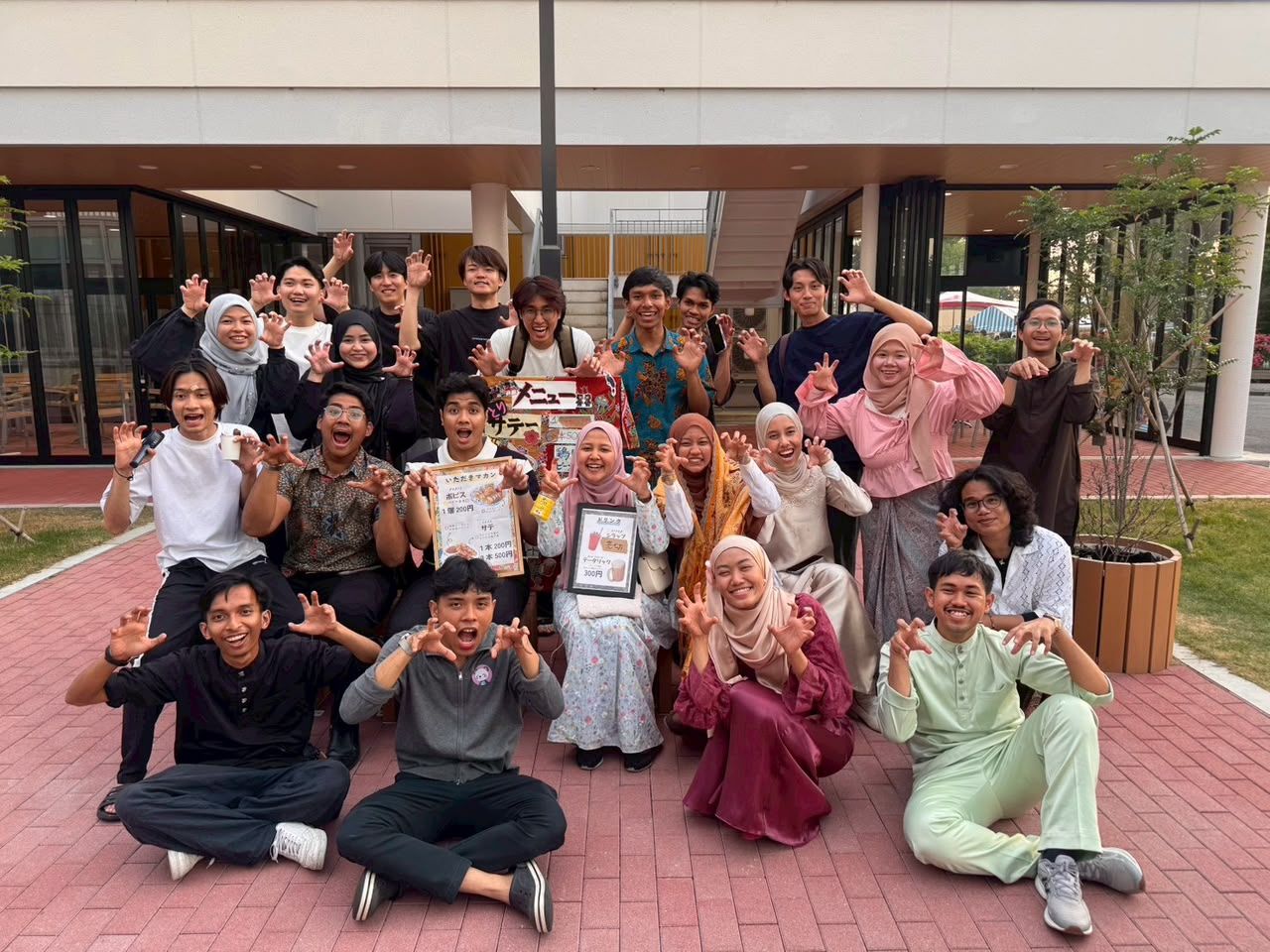
Fukui University, Japan - The aroma of grilled satay filled the air, cups of freshly prepared teh tarik were being passed to curious visitors, and somewhere behind the booth, Malaysian students were laughing and singing as they worked. For the Malaysian community in Fukui, the Fukui University Festival 2026 – Koshinosai was more than just a food booth—it was a chance to bring a little piece of Malaysia to campus.
For Fitrah, a fourth-year student from the University of Fukui, this year’s festival was especially memorable. Together with Fukuisaurus, the Malaysian community in Fukui, she joined 20 other Malaysian students in introducing Malaysian food and culture to visitors at the festival.
The booth offered Malaysian favourites including satay with peanut sauce, popis, sarsi, and, of course, teh tarik. While satay proved to be the best-selling food, teh tarik quickly became a crowd favourite among the drinks.
Unlike the milk teas that many visitors may already be familiar with, Malaysian teh tarik has its own distinctive character. Its fragrant tea aroma, creamy sweetness, and traditional “pulling” technique give it a special texture and flavour. For Malaysians, it is more than just a drink—it is a familiar taste of home.
That taste seemed to stay with some visitors. One customer had been returning to the Malaysian booth specifically for teh tarik since last year. Seeing a familiar face come back for the same drink was a small but meaningful reminder that Malaysian flavours could leave a lasting impression, even thousands of kilometres from home.
The satay also sparked plenty of curiosity. One Japanese visitor compared it to yakitori, but remarked that the Malaysian satay was much more flavourful, particularly because of the variety of spices. Visitors also asked questions about the ingredients and spices used in the satay and peanut sauce.
Another memorable encounter came when a visitor approached the booth and began speaking Malay fluently, surprising the students. He shared that he had previously lived in Malaysia, turning what started as a simple food purchase into a nostalgic conversation about the country.
These moments captured what made the booth special. Visitors were not simply buying food; they were discovering flavours, memories, and connections to Malaysia.
Behind the lively booth was a month of preparation. The students discussed menus, prices, ingredients, responsibilities and shifts, followed by recipe trials and large-scale food preparation the day before the festival. Despite their careful planning, demand exceeded expectations, requiring everyone to adapt and help wherever needed.
For Fitrah, some of her favourite moments happened during those preparation nights, when everyone worked together while chatting and joking despite being tired. During the festival, that same energy continued through music, conversations, singing and even dancing behind the booth.
Beyond the food, the booth showcased Malaysia through kain batik, kain pelikat, traditional decorations, the Malaysian flag, music and Jawi writing.
As Fitrah’s final Koshinosai as a student, the festival was both tiring and rewarding—a memorable way to close her chapter at Fukui University while sharing a little taste of Malaysia with others.
Sometimes, cultural exchange begins with something as simple as a cup of teh tarik, a stick of satay, or a stranger saying, “Saya pernah tinggal di Malaysia.”
- Hits: 85